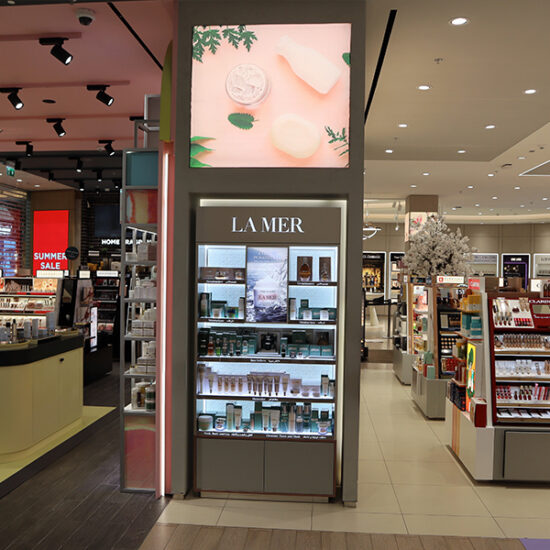
Why Layout Around Store Fixtures Defines Customer Flow
A retail space speaks to shoppers before they pick up a product. The position of shelves, racks, counters, and display units guides movement and sets the pace inside the shop. A clear layout helps shoppers move from one section to another without confusion, while poor spacing blocks paths and hides displays. Good placement of store fixtures give staff room to work and keeps key products visible. Find out here why layout around store fixtures defines customer flow.
Open paths for easy movement
Customers naturally follow open areas when they enter a store. Wide aisles invite movement, while tight gaps make a space feel crowded. Retailers place fixtures with enough space between them so shoppers browse comfortably. Entry and exit points stay clear, giving shoppers a simple route from the front toward deeper sections.
Guide shoppers with fixture placement
Fixture position directs attention toward selected products. A display near an aisle corner can slow movement and encourage browsing. Long shelving units guide shoppers along a defined route, while smaller displays add useful stops. This setup helps customers see key categories without forcing them into a rigid pattern.
Balance browsing and visibility
Too many fixtures block product views and make sections hard to read. Too few fixtures leave large empty areas that reduce product impact. Retailers aim for a balanced layout where shelves support product visibility and open space keeps movement comfortable. Low displays preserve sightlines across the store, helping shoppers spot different sections quickly.
Give high value areas room
Popular products, promotional displays, and checkout zones require enough space for shoppers to gather. When several customers stop in one spot, nearby traffic should still move smoothly. Retailers place these areas beside wider paths and avoid blocking major routes. This reduces crowding and keeps browsing active across the sales floor.
Support staff movement too
Customer flow works better when staff restock, answer questions, and move between sections without interrupting shoppers. Fixture placement leaves practical work areas behind and beside displays. When staff movement fits into the store layout, shelves stay organized and customers enjoy a cleaner shopping environment.
Review the layout as habits change
Shopping patterns shift after a new product range, seasonal promotion, or store update. Retailers watch where customers pause, turn, and spend time, then adjust fixture positions when useful. Small changes to aisle width, display height, or product placement improve traffic patterns without a full redesign.